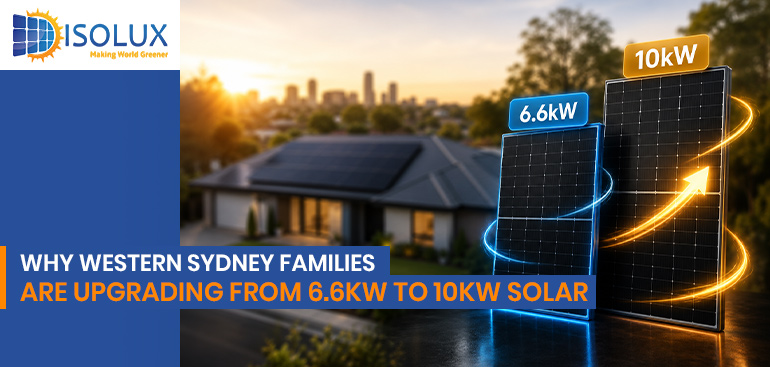
Australia’s most popular residential system size has consistently been around 6.6 kW. However, larger systems of 8 kW to 10 kW or more are becoming increasingly common, especially for battery-paired installations.
Yes, solar does increase property value in Australia, and the data in 2026 is stronger than ever.
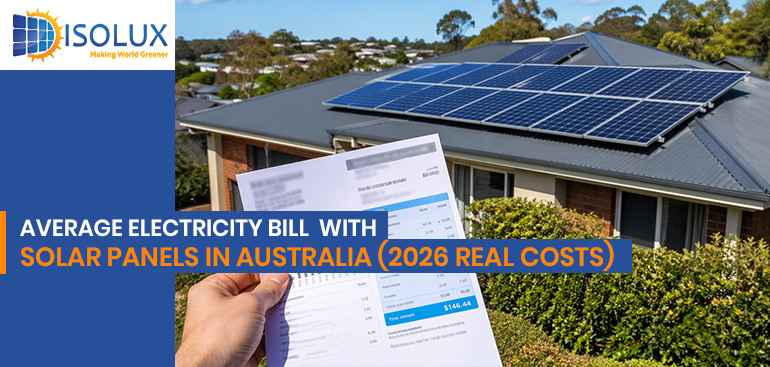
This guide breaks down the real 2026 numbers – what you pay without solar, what you pay with solar, and how quickly a solar system pays for itself across every major Australian state.
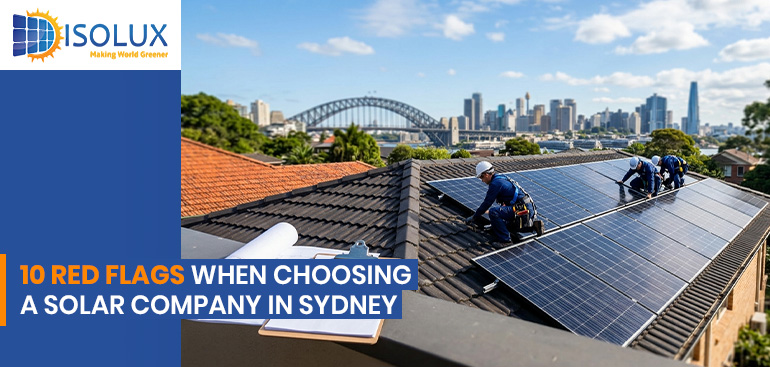
Avoid costly mistakes when switching to solar. This guide highlights 10 key red flags to watch for when choosing a solar company in Sydney – from unrealistic promises and poor warranties to lack of accreditation – helping you make a safe, informed investment in solar energy.
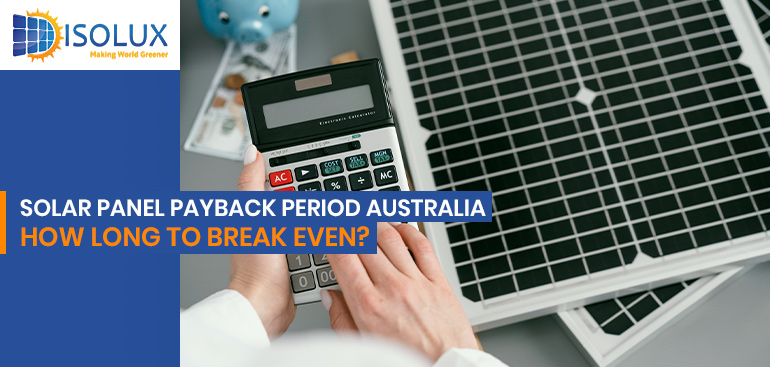
Wondering how long solar panels take to pay off in Australia? Our complete 2026 guide covers payback periods by system size, state, and real examples with step-by-step calculations.
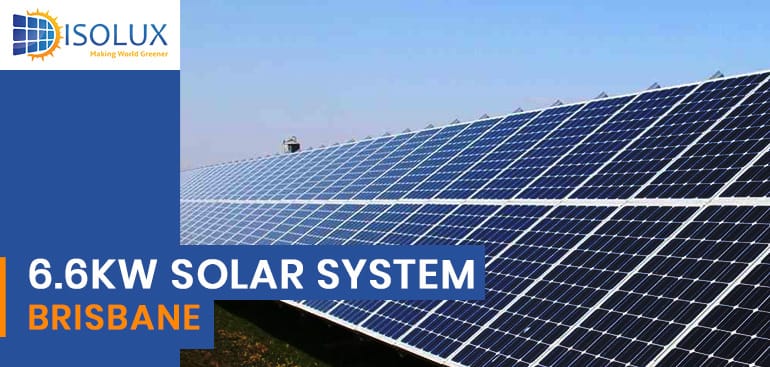
Investing in a 6.6kW solar system in Brisbane is an excellent choice for homeowners seeking to reduce electricity bills and embrace sustainable energy. This system size is particularly popular in Australia due to its balance between cost and energy output, making it suitable for medium-sized households.
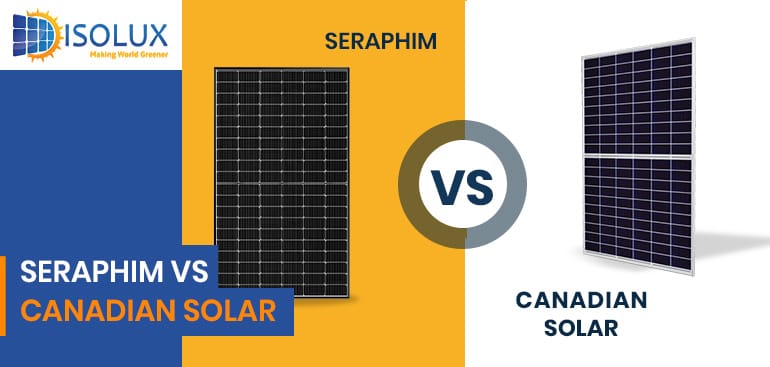
Selecting the right solar panels is crucial for maximizing energy efficiency and return on investment, especially in Australia’s dynamic solar market. Two prominent brands, Seraphim and Canadian Solar, offer distinct advantages. This guide provides a detailed comparison to assist Australian consumers in making an informed decision.
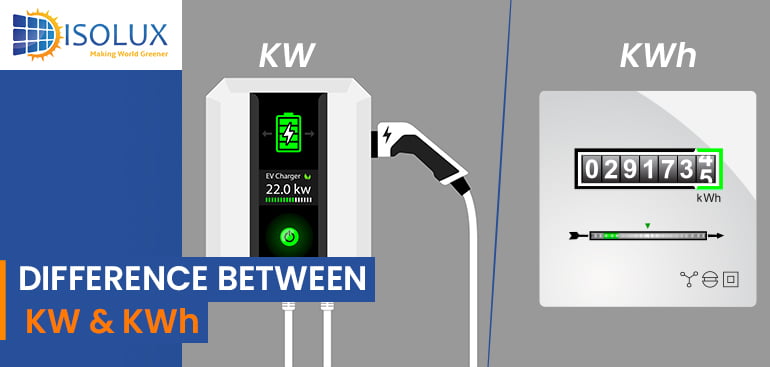
Understanding the basics of energy and power can be confusing, especially when it comes to terms like kW (kilowatt) and kWh (kilowatt-hour). If you’re considering solar panel installation, knowing the difference between these two terms is crucial for making informed decisions about your energy consumption and savings. Let’s break down the difference between kW and kWh in simple terms to help you understand how they relate to your home or business’s solar energy system.
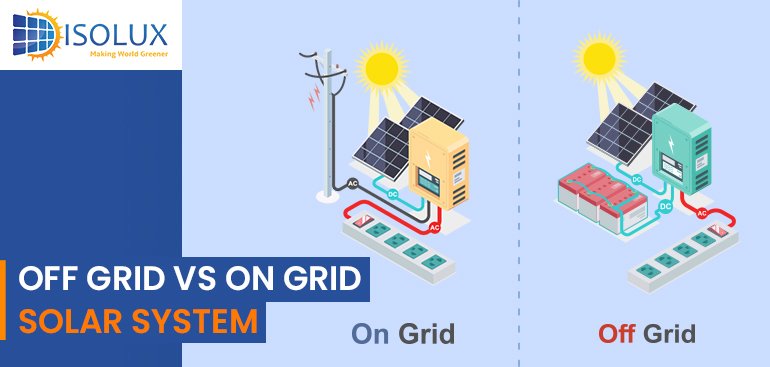
As more Australians embrace sustainable energy, solar power has become a popular choice for homes and businesses. When considering solar installation, understanding the difference between off-grid and on-grid solar systems is crucial. Whether you are looking for energy independence or simply want to cut your electricity bills, knowing which system suits your needs can make a world of difference. Let’s get into the key differences between off-grid and on-grid solar systems and help you decide which is the best fit for you in Sydney.
With rapid advancements in technology and also in the solar technology industry, you may be thinking of upgrading your existing solar system.