

With Australia’s rising electricity costs and growing interest in renewable energy, home solar batteries are becoming essential for households seeking energy independence. One of the most talked-about newcomers is the Anker Solix X1 Battery. Known globally for consumer electronics, Anker has now entered the home energy storage market with a durable, scalable, and competitively priced solution for Australian homes.
But is it worth the investment? Let’s explore the Anker Solix X1 in detail—its company background, features, real-world performance, pros and cons, and how it stacks up against competitors.
Overview of Anker SOLIX – Company History
Anker Innovations was founded in 2011 by Steven Yang, a former Google engineer, in Shenzhen, China. The company built its reputation with chargers, power banks, and consumer electronics accessories.
In June 2023, Anker announced the launch of SOLIX, its home energy storage sub-brand.
- Global strength: Anker is a publicly listed company on the Shenzhen Stock Exchange, with annual turnover exceeding USD $1 billion.
- Australian presence: Anker Innovations Australia Pty Ltd was established in 2023, and its flagship SOLIX X1 Battery was approved by the Solar Accreditation Australia (SAA) in October 2024.
Although new to the Australian home battery market, Anker brings the credibility of a large multinational brand with local support and distribution.
Key Features of the Anker Solix X1
| Feature | Why It Matters in Australia |
| Scalability: 5–30 kWh per stack (up to 180 kWh) | Future-proof your system as your household energy needs grow. |
| 6 kW AC output (single-phase) | Sufficient for most homes; supports larger setups with multiple units. |
| Lithium Iron Phosphate (LFP) chemistry | Safer, longer-lasting, and thermally stable in hot climates. |
| IP66 rating + C5-M anti-corrosion | Suited for coastal and harsh Australian environments. |
| <10 ms switchover | Immediate backup power during blackouts. |
| Smart app monitoring | Track usage, optimise storage, and control settings in real time. |
| 10-year warranty | Covers 70% capacity or throughput, offering peace of mind. |
Performance in Australian Conditions
The Anker Solix X1 has been well-reviewed by independent Australian:
- Pricing: Competitive, around AUD $800–900 per kWh installed.
- Blackout protection: Near-instant switching ensures lights and appliances stay on.
- Outdoor suitability: IP66 weather rating makes it ideal for homes in coastal or bushfire-prone areas.
- Efficiency: Even on cloudy days, homeowners report maintaining 30–40% charge.
- App connectivity: The mobile app provides real-time insights, making energy management user-friendly.
Pros & Cons
Pros
- Modular and expandable from 5 kWh to 180 kWh
- Rugged design with weatherproofing for Australian conditions
- Fast backup switchover (<10 ms)
- Competitive pricing compared to Tesla Powerwall 2 and BYD
- Smart app and LCD display for easy monitoring
Cons
- New entrant in Australia—short local track record
- Warranty throughput limits are lower than some rivals
- Single-phase only (three-phase requires multiple parallel units)
- Fewer certified installers compared to established brands
Is the Anker X1 Good for Businesses and Commercial Solar?
Yes, the Anker SOLIX X1 can be scaled for small to medium-sized businesses. With its modular design, multiple battery units can be connected to achieve higher storage capacity (up to 30kWh and beyond), making it suitable for commercial energy storage.
For businesses, the benefits include:
- Reduced energy bills by storing solar power during the day and using it at night.
- Load shifting to avoid expensive peak tariffs.
- Backup power during outages, essential for operations.
- Sustainability goals – an eco-friendly investment that improves a business’s green credentials.
While it may not yet rival ultra-large-scale commercial batteries (like Tesla Megapack), it’s a strong option for small businesses, retail outlets, and offices.
Applications for the Anker SOLIX
The versatility of the Anker SOLIX X1 makes it suitable for:
- Homes – Store excess solar energy for night-time use.
- Apartments – Compact design fits into smaller spaces.
- Small businesses – Reduce peak demand charges.
- Farms and regional properties – Reliable backup power where outages are more common.
- Hybrid solar systems – Works well with modern hybrid inverters.
How Much Does an Anker Battery Cost in Australia?
Pricing depends on system size, installation costs, and your installer. As of 2025:
- 5kWh system: Approx. $5,500 – $6,000 (installed).
- 10kWh system: Approx. $9,500 – $11,000 (installed).
- 20kWh+ system: $18,000 – $22,000+ depending on configuration.
This places Anker SOLIX among the affordable mid-range solar battery options in Australia, undercutting some premium brands while offering competitive features.
Is It Worth It?
The Anker Solix X1 makes a compelling case for most Australian homes. Its key strengths are scalability, competitive cost, ruggedness for outdoor use, and ease of smart monitoring. While its short track record and fewer certified installers may be an issue for some, its SAA approval, global Anker backing, and growing local partnerships place it ahead of many newer brands. For those needing affordable, modular energy storage to tackle rising electricity costs, the Solix X1 is well worth shortlisting.
How Does It Compare to Other Solar Batteries?
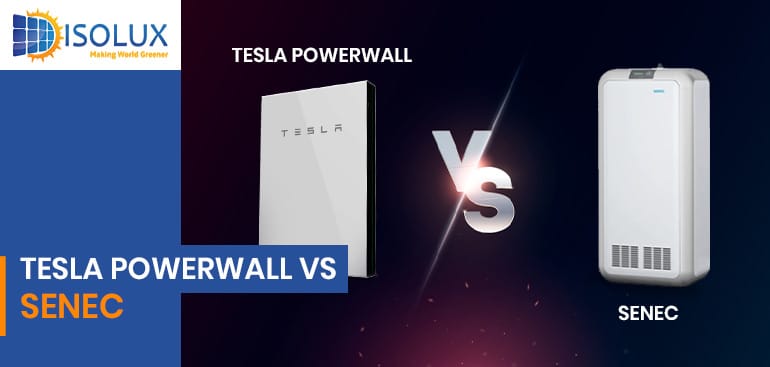
- Tesla Powerwall 2: Tesla offers higher throughput in warranty, but Anker Solix X1 has better weather protection (IP66 vs IP55) and modular scalability.
- BYD & Sungrow: Both strong in Australia, but Anker’s app connectivity, modular design, and rugged build give it an edge for homes in tough climates.
- Neovolt: A growing local competitor, but Anker’s global R&D and financial strength make it more reassuring for long-term reliability.
Conclusion
The Anker Solix X1 is a new but promising solar battery option for Australians, offering scalability, durability, and smart monitoring at a competitive price point. While its shorter track record in the local market may give some homeowners pause, the strong backing of Anker Innovations, SAA approval, and growing distributor partnerships make it a compelling choice for households wanting energy independence.
At Isolux Solar, we can help you determine if the Anker Solix X1 is the right fit for your energy needs. Contact us today and get an obligation free quote to explore installation options for your home.
FAQs About Anker Solix X1
Q1. How much does the Anker Solix X1 cost in Australia?
Expect AUD $800–900 per kWh installed, depending on installer and system size.
Q2. Is the Anker Solix X1 approved in Australia?
Yes, it received Solar Accreditation Australia (SAA) approval in October 2024.
Q3. Can the Solix X1 be installed outdoors?
Yes, with its IP66 rating and anti-corrosion coating, it’s built for outdoor Australian conditions.
Q4. How long is the warranty?
The 10-year warranty covers 70% capacity or throughput limit.
Q5. Is it suitable for three-phase homes?
Currently available in single-phase only. For three-phase setups, multiple units can be installed in parallel.
Also Read:
20kW Solar Battery Price in Australia – A Complete Guide