

As more Australian homeowners turn to solar energy, a common question arises: “Will my solar system work during a power outage?” The answer isn’t as straightforward as most expect. Let’s break down exactly how solar systems operate during blackouts, and what you can do to ensure your home stays powered when the grid goes down.
Whether you’re installing a new system or upgrading your existing one, understanding the relationship between solar power and grid outages is crucial.
How Grid-Tied Solar Systems Work
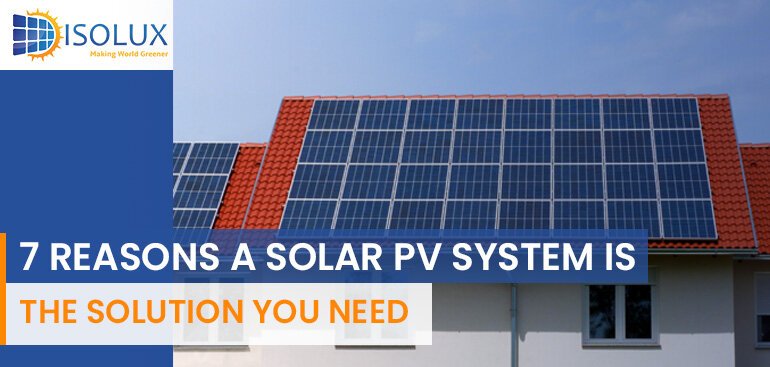
Most residential solar panel systems in Australia are grid-tied — meaning they are connected to the utility grid. During the day, your solar panels generate electricity. If your household doesn’t use all of it, the excess is fed into the grid (and often earns you a feed-in tariff).
But here’s the catch: standard grid-tied solar systems shut down during a power outage.
Why Standard Solar Systems Stop Working During a Blackout
It might sound odd — the sun is shining, your solar panels are working, yet your lights are off. This happens due to a safety feature called anti-islanding protection.
Anti-islanding is designed to prevent your solar system from sending electricity back into the grid during a blackout, which could endanger utility workers performing repairs.
This means that without a battery or backup solution, your solar system will automatically shut off during an outage, even if it’s a sunny day.
How to Keep the Power On During Outages
To keep your home running during blackouts, you’ll need a solar battery system with backup functionality. Here are your main options:
1. Solar + Battery Storage System
A solar battery stores excess energy generated by your panels, which can be used:
- During the night
- On cloudy days
- When the grid goes down
Not all solar batteries provide backup. You need one with backup or emergency power mode.
Popular battery options with backup capability:
- Tesla Powerwall 2/3
- SonnenBatterie Evo
- BYD Battery-Box
- Alpha ESS (select models)
- SolarEdge with Backup Interface
2. Hybrid Solar Inverter with Battery
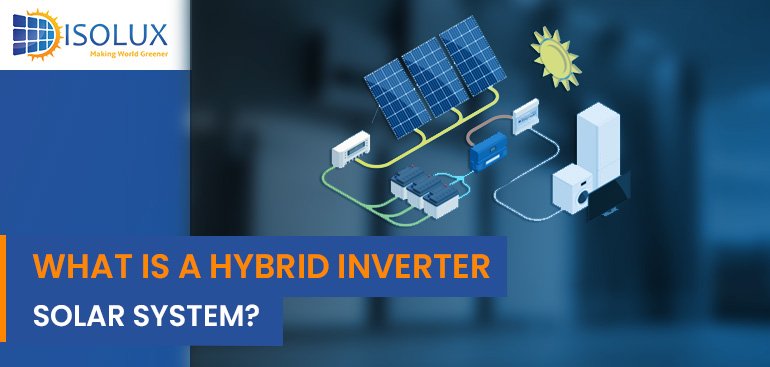
A hybrid inverter manages both your solar system and battery. During an outage, it automatically switches to off-grid mode, drawing power from your battery.
A hybrid inverter is essential if you want seamless backup during power outages.
Benefits of Having Backup Power
Adding a solar battery with backup capability gives you:
- Uninterrupted power for essential appliances like fridges, lights, Wi-Fi routers, and security systems
- Peace of mind during storms, bushfires, and grid failures
- Energy independence, especially in areas with unstable grid supply
- Potential savings on energy bills and peak usage times
Can Solar Work During Outages Without a Battery?
Generally, no — unless your system is designed as an off-grid system or uses special islanding inverters. These setups are more complex and costly but can be ideal for rural areas or properties without grid access.
Isolux Solar Can Help You Stay Powered
At Isolux Solar, we specialise in solar + battery solutions with backup capability. Our team of SAA-accredited experts will help you:
- Choose the right battery for your home
- Design a system that works during outages
- Understand costs, payback, and available government incentives
Ready to Keep the Lights On — Even During Blackouts?
Get in touch with Isolux Solar for a free solar quote on solar battery systems with backup power. Don’t let blackouts leave you in the dark!
Frequently Asked Questions
Q. Can I choose which appliances run during a power outage?
Yes. With most battery backup systems, you can choose to back up specific circuits, such as your fridge, lights, and internet.
Q. How long will a solar battery last during a blackout?
It depends on the battery size and your energy usage. A 10 kWh battery can typically run essentials for 8–12 hours or more.
Q. Does adding a battery increase the cost significantly?
Yes, but the long-term savings, energy security, and peace of mind often justify the investment — especially in areas prone to outages.