
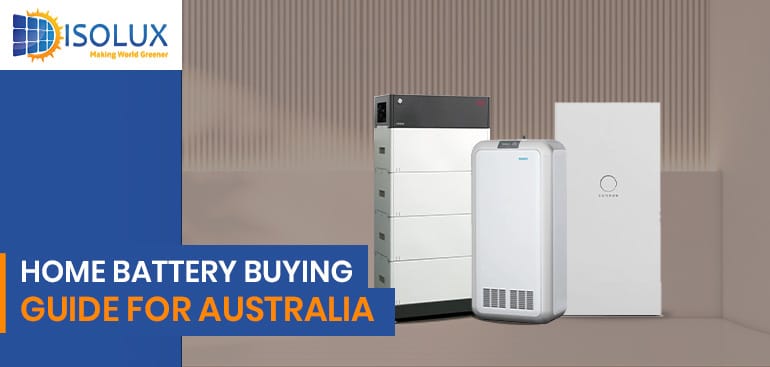
Adding a home battery to your solar system can save you more money. It also helps keep the lights on during blackouts. But buying one is not simple. It’s not like buying AA batteries from the shop. You need to know what they cost, which ones work best, and if home battery worth the money. Let’s break it down.
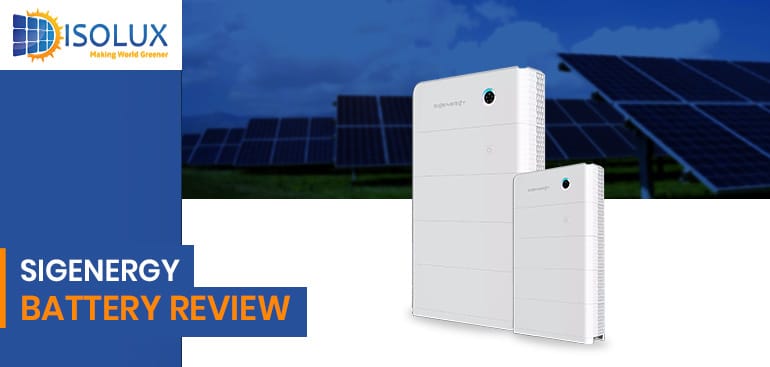
As solar adoption continues to rise across Australia, more homeowners are turning to battery storage solutions to increase energy independence, reduce grid reliance, and maximise solar savings. One of the most promising entrants in the energy storage market is the Sigenergy SigenStor Battery is a sleek, intelligent, all-in-one system designed to power the future.
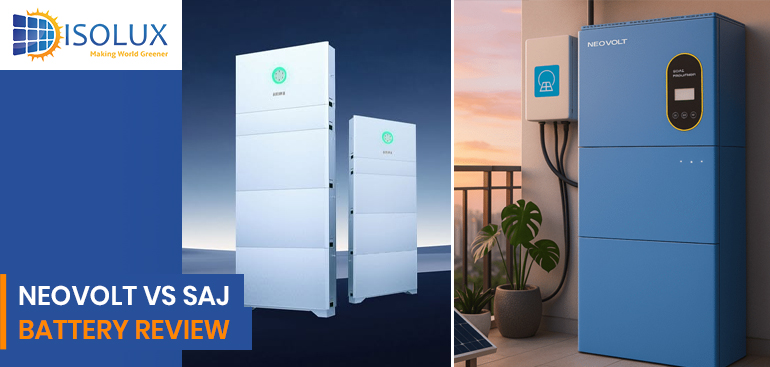
Australia’s home battery market has matured rapidly over the last few years. What was once considered a luxury add-on has become a strategic energy investment—helping households reduce grid dependence, protect against rising electricity prices, and maintain power during outages.
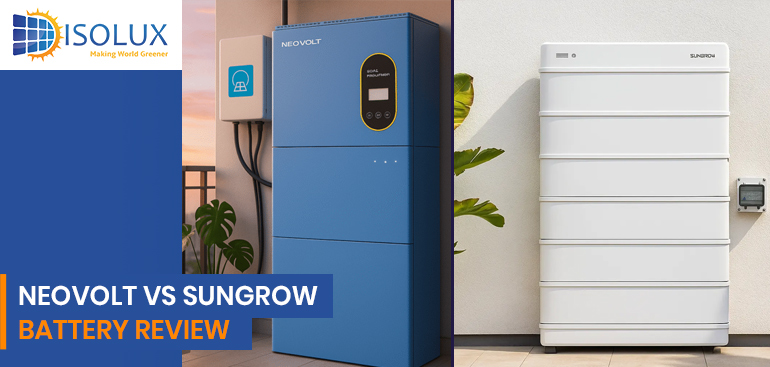
Choosing a home battery in Australia is no longer just about storing excess solar energy. With electricity prices climbing, feed-in tariffs shrinking, and grid reliability becoming less predictable, a battery is now a long-term financial and lifestyle decision. Two names that frequently appear in Australian quotes and homeowner discussions are NeoVolt and Sungrow.
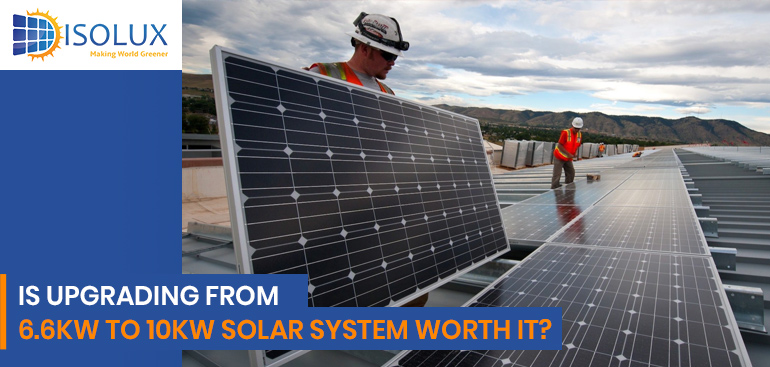
Australia has one of the highest household solar adoption rates in the world, and the 6.6kW system has long been the default choice for suburban homes. But household energy use has changed rapidly. Electric vehicles, larger air-conditioning systems, heat pumps, induction cooktops, and work-from-home lifestyles are pushing many families beyond what a 6.6kW system was designed to handle.
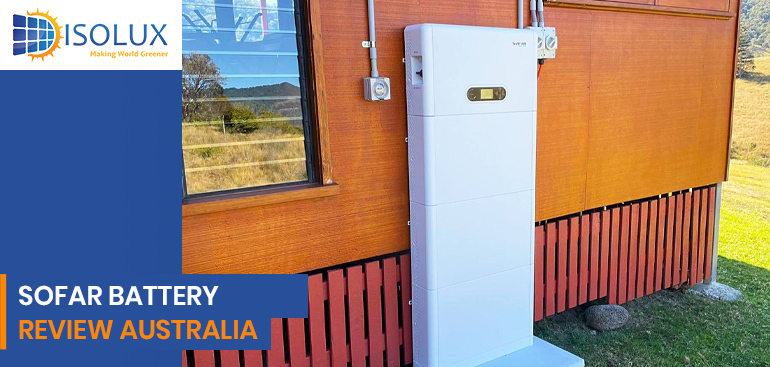
As electricity prices across Australia continue to rise and feed-in tariffs decline, solar batteries are no longer a “nice to have”—they’re becoming a strategic investment. Among the growing list of energy storage brands gaining attention is Sofar Solar, a manufacturer best known for its inverters and now steadily expanding its footprint in the Australian battery market.
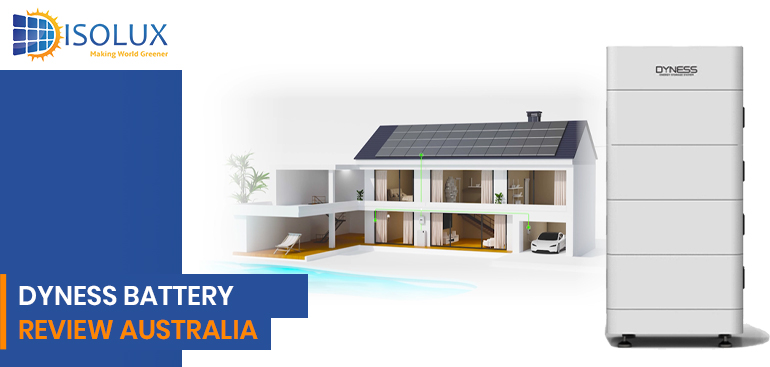
As Australian households continue to face rising electricity prices and grid uncertainty, solar batteries are no longer seen as a luxury—they’re becoming a practical part of modern energy planning. Among the growing list of battery brands available in Australia, Dyness has emerged as a popular option, especially for homeowners looking for flexibility, safety, and value without paying premium-brand prices.
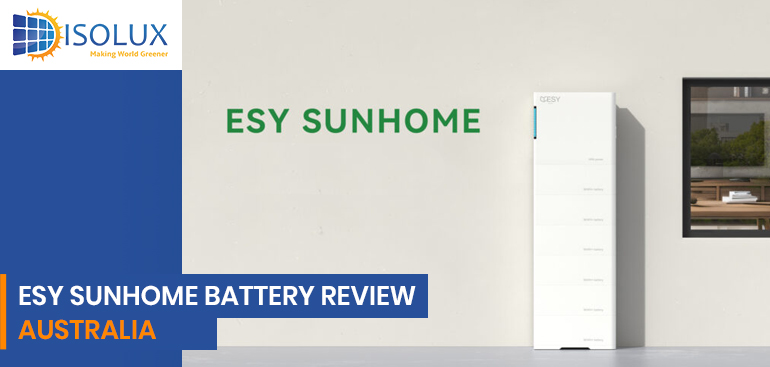
Australia’s solar journey has matured. With feed-in tariffs shrinking and grid reliability under pressure, homeowners are asking a smarter question than ever before: which battery actually makes sense for my home and budget? In that conversation, the ESY Sunhome battery is appearing more frequently—often as a value-driven alternative to premium brands.
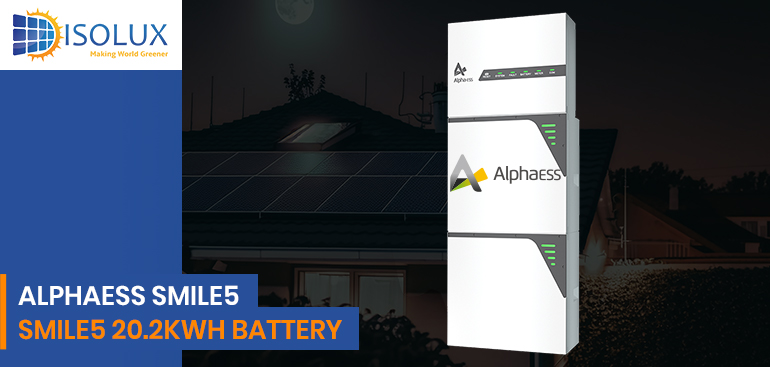
As energy prices continue to rise across Australia, more homeowners are shifting toward larger and more efficient home battery storage systems. Among the premium options in 2025, the AlphaESS Smile5 20.2kWh battery stands out for its long lifespan, high usable capacity, and reliable performance. Designed for households that want deeper energy independence, better blackout protection, and enhanced savings, this system has become one of the most in-demand solutions in the Australian market.
Western Australia has some of the best solar resources in the world, yet many homeowners still search for “Government Solar Rebate WA” expecting a state-funded solar panel rebate. The truth is clearer—but often misunderstood: WA does not offer a state solar panel rebate. Instead, WA households rely on the federal solar subsidy (STCs) for solar power systems and can also access generous WA battery rebates and interest-free loans, depending on their location and eligibility.