Australia’s solar battery market is about to shift in a major way. The Federal Government’s Cheaper Home Batteries Program, which has driven battery affordability since mid-2025, is introducing new rules that come into effect on 1 May 2026.
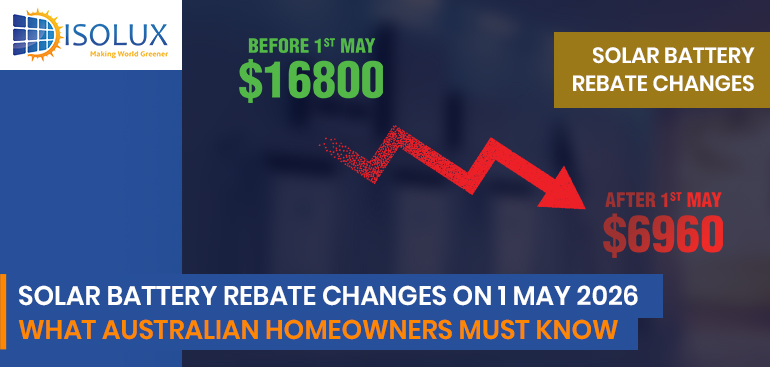

Australia’s solar battery market is about to shift in a major way. The Federal Government’s Cheaper Home Batteries Program, which has driven battery affordability since mid-2025, is introducing new rules that come into effect on 1 May 2026.
If you are planning to install a solar battery in 2026, understanding the new tiered STC rules is essential. This guide explains how the system works, why the government introduced it, and how your battery size influences the rebate you will receive.
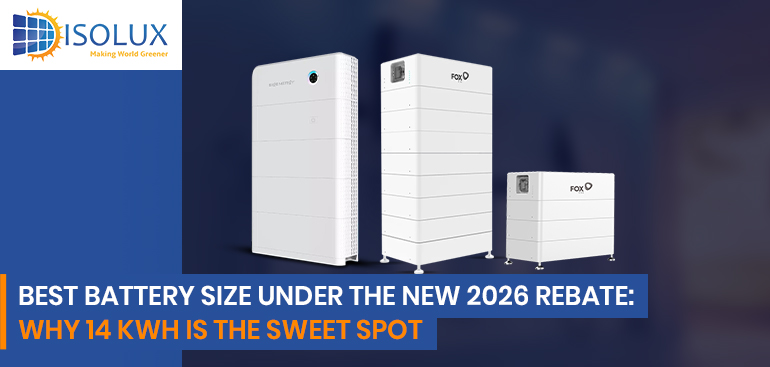
Thanks to the Federal Government’s new tiered rebate structure, the most cost-effective batteries for Australian households fall between 10 kWh and 14 kWh of usable capacity. This range not only attracts the highest rebate but also delivers practical daily performance for most homes.
Australians continue to embrace solar power to cut energy costs and reduce emissions — and 2026 has brought new updates to NSW’s solar and battery incentives, including changes to state programs and adjustments to federal rebates. While some state-based rebates have ended, new federal and NSW government solar rebate programs are making solar and battery storage more affordable than ever.
If you’re planning to install solar panels or add a solar battery system in NSW, here’s the latest information on rebates, eligibility, and how to maximise your savings this year.
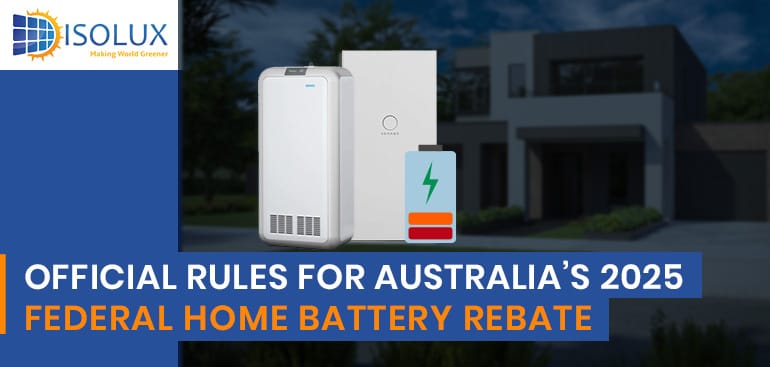
Australia’s home energy landscape is set for a major transformation in 2025 with the launch of the federal government’s Cheaper Home Batteries Program. This landmark initiative will make battery storage more accessible and affordable for millions of households and small businesses, supporting the shift to cleaner, more resilient energy. Here’s a comprehensive breakdown of the official rules, eligibility, rebate values, and practical tips for homeowners considering battery installation.
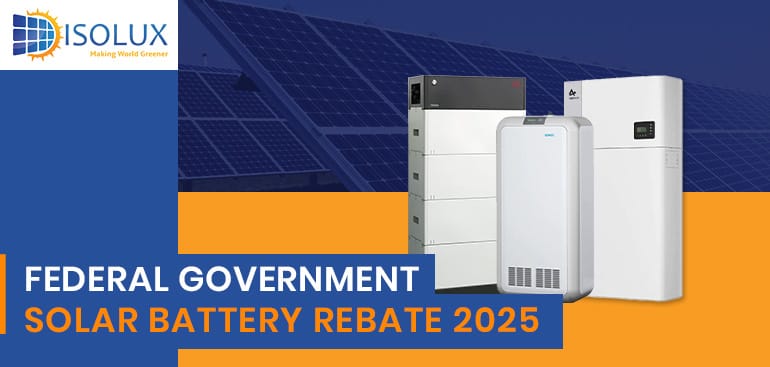
The Federal Governments Solar Battery Rebate 2025 is a game-changer, offering substantial savings to households and small businesses ready to invest in solar battery storage.
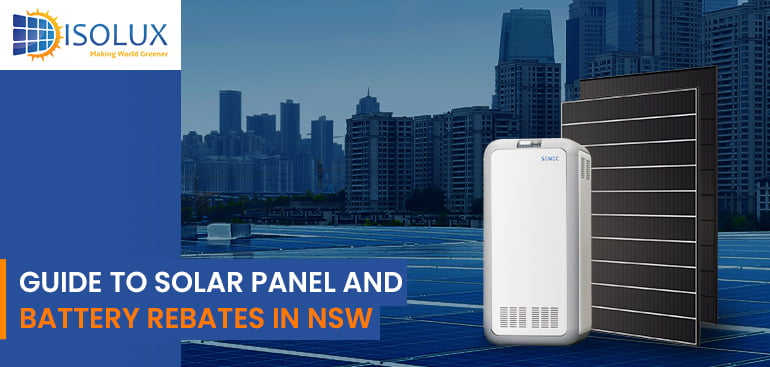
As of 1 November 2024, solar battery rebate NSW, under the Peak Demand Reduction Scheme (PDRS), helps you save money when you install a solar battery. You can get an upfront discount of $1,600 to $2,400, depending on the size of the battery. Plus, if you connect your battery to a Virtual Power Plant (VPP), you may get an extra bonus of $250 to $400.
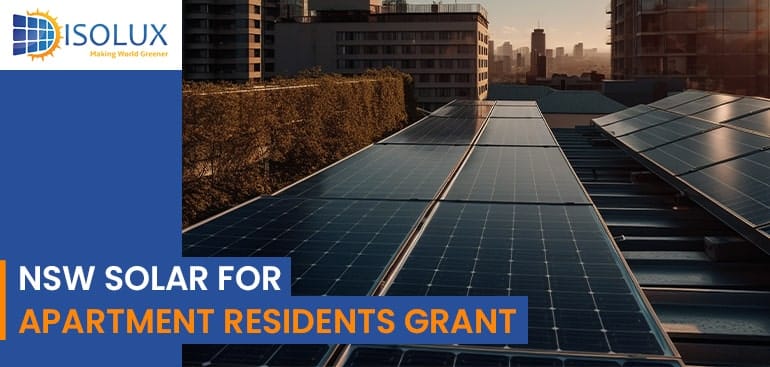
The shift towards renewable energy is gaining momentum in Australia, and New South Wales (NSW) is leading the way with various solar incentives. For apartment dwellers, accessing solar power has traditionally been challenging. However, the NSW Solar for Apartment Residents Grant is changing that by providing financial assistance to help apartment buildings install solar panels.

To guide Queensland residents on going solar, here’s an in-depth overview of the solar rebates and incentives available in Queensland (QLD), especially for those in Brisbane.

The Solar Bonus Scheme in Queensland, introduced in 2008, offers a significant feed-in tariff of 44 cents per kilowatt-hour (kWh) for eligible solar system owners who export surplus electricity back to the grid. Although this scheme has been closed to new applicants since 2012, existing participants who meet the criteria continue to benefit from this generous tariff until July 1, 2028.